










Turkey Could Reduce Industrial Carbon Emissions with Biomethane
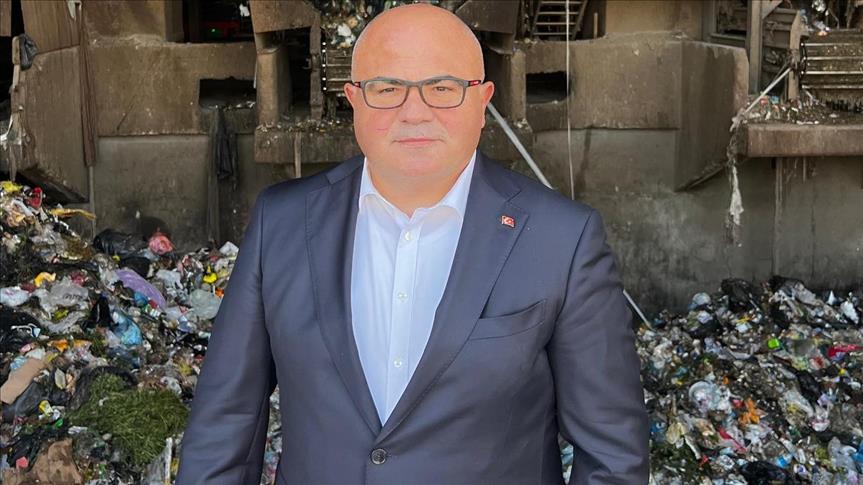
Ali Rıza Öner, Chairman of the Board of the Waste Management and Waste-to-Energy Producers Association (TAYED), stated that biomethane, which can be produced at biogas facilities in Turkey and used as an alternative to natural gas in industry, could play an important role in reducing carbon emissions.

Petroturk.com • Soner Okur
- 15 Eylül 2025 11:59
Ali Rıza Öner, Chairman of the Board of the Waste Management and Waste-to-Energy Producers Association (TAYED), stated that biomethane, which can be produced at biogas facilities in Turkey and used as an alternative to natural gas in industry, could play an important role in reducing carbon emissions.
Speaking to Anadolu Agency, Öner said that sectors such as cement, glass, ceramics, iron and steel, food, and fertilizer could reduce carbon emissions by using biomethane instead of natural gas.
Emphasizing that the Border Carbon Adjustment Mechanism, which will be implemented next year, will directly affect Turkish industrialists, Öner said:
“Thanks to biomethane, industrialists will both reduce their carbon footprint and avoid paying carbon penalties. This also means maintaining a competitive advantage in exports.”
Öner recalled that European countries such as Italy, France, Spain, and Germany have invested billions of euros to build new facilities for biomethane production, and added:
“We already have more than 200 biogas facilities. Once proper legal regulations are in place, these facilities can shift from biogas to biomethane production with relatively small additional investments. This will provide an alternative financing model for biogas plants and help our industrialists avoid carbon penalties.”
Highlighting that European countries view biomethane as a strategic resource, Öner noted that the European Union has set a target of producing 35 billion cubic meters of biomethane annually by 2030.
Facilities Could Switch to Biomethane with New Regulations
Öner explained that these countries are turning to biomethane to ensure energy security and protect their industries from carbon taxes, and stressed that Turkey is in a much more advantageous position compared to Europe.
Referring to the more than 200 biogas facilities in Turkey, Öner said:
“The infrastructure is ready, and the technology exists. With small-scale investments, it is possible to purify biogas to produce green natural gas—biomethane. All that is needed is fast and clear legal regulation.”
Öner also pointed out that biomethane could provide a solution for biogas facilities whose support under the Renewable Energy Support Mechanism (YEKDEM) has ended, and that with proper regulations, many facilities could start producing biomethane in a short time.
Stressing Turkey’s need for a biomethane strategy, Öner said:
“Grid injection and green gas certification must be urgently implemented. This sector can grow rapidly through collaboration between municipalities, the private sector, and investors. If Turkey misses this opportunity, it will suffer significant losses in both energy security and industrial competitiveness. There is no more time to lose.”
Öner also emphasized the financial risks for Turkish exporters with carbon-intensive production under the Border Carbon Adjustment Mechanism:
“Biomethane is a carbon-neutral fuel. Converting waste into energy is climate-friendly and contributes to the circular economy. Companies that do not adopt such low-carbon solutions may risk losing their competitive edge.”
AA


SON HABERLER
Rusya Başbakan Yardımcısı Novak’tan yakıt piyasasında normalleşme sinyali21 Temmuz 202617:00 Fırat EDAŞ ve Çoruh EDAŞ mobil uygulamaları yenilendi21 Temmuz 202616:51 IEA Başkanı Birol, petrol arzının yüksek seviyelerde seyrettiğini bildirdi21 Temmuz 202615:51 Aksa Enerji’nin Senegal yatırımına 57 milyon avroluk uluslararası finansman21 Temmuz 202614:42 Tüpraş, HERMES projesi ile temiz hidrojen teknolojisini sahada test edecek21 Temmuz 202614:40
Diğer Haberler