





Türkiye emerges stronger from the Hormuz crisis
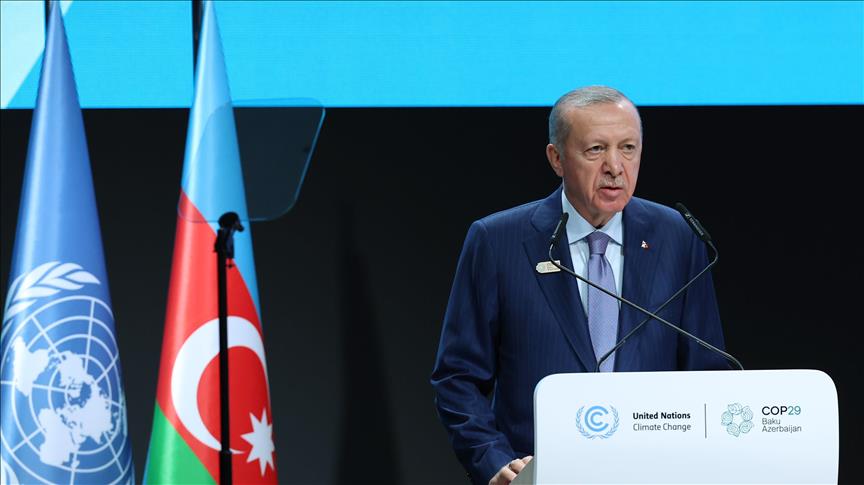
President Recep Tayyip Erdoğan stated that the closure of the Strait of Hormuz has created a major shock in global energy and trade chains, emphasizing that Türkiye has managed the process with limited impact thanks to its strong supply security. Erdoğan also highlighted Türkiye’s goal of becoming an alternative hub in energy transmission routes and an attractive center in global trade.

Petroturk | Enerji Haberleri
- 15 Mayıs 2026 16:28
Speaking after the Cabinet Meeting held at the Presidential Complex, President Recep Tayyip Erdoğan drew attention to the fact that the de facto closure of the Strait of Hormuz following attacks on Iran has affected not only the energy sector but also many critical areas.
Reminding that approximately 20 percent of the world’s oil passes through this route, Erdoğan noted that, in addition to natural gas, strategic products such as petrochemicals, fertilizers, pharmaceutical raw materials, and helium used in semiconductor production are also dependent on this corridor.
Referring to the global impact of the shock, Erdoğan stated that Europe’s fossil fuel bill has increased by 17 billion dollars in the last 30 days, while natural gas prices have doubled and oil prices have risen by 60 percent.
“TÜRKİYE IS OUTSIDE THIS PESSIMISTIC PICTURE IN ENERGY”
Erdoğan stated that in some countries, fuel quotas, restrictions on public services, and temporary measures in education have come into effect due to the crisis, adding that Türkiye has been relatively less affected by this process.
Emphasizing that Türkiye has a strong infrastructure in terms of energy supply security, procurement, and storage capacity, Erdoğan said, “Türkiye is outside this pessimistic picture.”
He also noted that Türkiye does not procure LNG via Basra or Hormuz and that only around 10 percent of its oil imports come from this region, a level he described as manageable.
SEARCH FOR SAFER ALTERNATIVES IN ENERGY TRANSPORT ROUTES
President Erdoğan stated that safer alternatives in energy transmission routes are now being discussed more strongly, noting that Türkiye is preparing to take on a strategic role in this new period.
“Safer alternatives in energy transmission routes have begun to be discussed. We are closely monitoring this process and preparing our country in the strongest possible way for this new era. In line with our instructions, our economic management team is working intensively to turn Türkiye into a regional management center for multinational companies,” Erdoğan said.
Emphasizing that Türkiye aims to become a global hub in transit trade, Erdoğan noted that the Istanbul Finance Center project is one of the key pillars of this vision.
“We are determined to make our Istanbul Finance Center one of the world’s leading financial hubs. Just as during the pandemic, we strongly believe that this global crisis will also open new opportunities for our country,” Erdoğan said.
50 BILLION LIRA SUPPORT THROUGH THE EŞEL MOBİL SYSTEM
Erdoğan stated that proactive steps were taken to limit the impact of the sharp rise in global oil prices on the domestic market. He announced that shortly after the outbreak of the conflict, the eşel mobil system was activated, ensuring that fuel price increases were largely not reflected to citizens.
Within this framework, Erdoğan said that approximately 17 lira per liter in diesel and nearly 12 lira per liter in gasoline price increases were not passed on to the pump. He added that the total cost, which has reached 50 billion lira so far, has been subsidized by the state.
Emphasizing that it is not possible to be completely insulated from all the effects of the global crisis, Erdoğan noted that the impact of the conflict on global trade has been felt particularly in exports. However, he stated that the government has taken steps to support the production, export, and tourism sectors to help businesses navigate this challenging period.


SON HABERLER
Diyarbakır’da Dicle Üniversitesi yerleşkesinde petrol için 6 sondaj kuyusu açılacak4 Haziran 202613:02 Yeniköy Kemerköy Enerji, Water Europe üyesi oldu4 Haziran 202612:11 Rüzgar ve güneş yatırımları Türkiye’nin çevre hedeflerine katkı sağlıyor4 Haziran 202612:10 Togg iki modeliyle elektrikli otomobil satışlarında zirvede4 Haziran 202612:08 Girişim Elektrik Başkanı Harmanlı, enerji altyapısı yatırımlarının Türkiye için fırsat sunduğunu belirtti4 Haziran 202611:51
Diğer Haberler